
Recovery after Breast Augmentation is a gradual process that allows your body to heal and the implants to settle into position. Immediately after surgery, it is normal to experience swelling, tightness, soreness, bruising, and temporary changes in breast appearance. Your surgical team will provide instructions covering medication, incision care, activity restrictions, sleeping positions, and follow-up appointments. Planning for adequate rest and arranging help with household responsibilities can make the early recovery period more comfortable. Although everyone heals differently, understanding the typical stages can help you approach recovery with realistic expectations.
What Happens During the First Few Weeks?
During the first several days following Breast Augmentation, your main priorities are rest, hydration, medication management, and gentle movement as directed by your surgeon. Short walks may be encouraged to support circulation, while strenuous activities and lifting are generally restricted. Your breasts may feel firm or unusually high initially, and swelling can temporarily affect symmetry. As the first week passes, discomfort typically begins to improve. Wearing any recommended surgical or supportive garment and attending your scheduled follow-up appointments can help your surgeon monitor healing and address questions during this important stage.
How Does Recovery Progress?
During the second and third weeks, many patients gradually become more comfortable and resume light daily activities with medical clearance. Swelling and bruising generally continue decreasing, although the breasts may still feel firm or sensitive. The implants may begin settling into a more natural position as the surrounding tissues adjust. You should continue avoiding strenuous exercise, heavy lifting, and movements that place excessive pressure on the chest until your surgeon approves them. Recovery should be approached patiently because pushing yourself too quickly can increase discomfort and potentially interfere with the healing process.
By approximately four to six weeks, many patients can return to more normal routines if their surgeon confirms that healing is progressing appropriately. Exercise may be reintroduced gradually, beginning with activities that place less strain on the chest. High-impact workouts and demanding upper-body exercises may require additional recovery time. Your breasts may continue changing in softness, position, and appearance as swelling resolves and tissues adapt. It is important not to compare your recovery with someone else’s because implant placement, tissue characteristics, surgical technique, and individual healing can create different timelines.
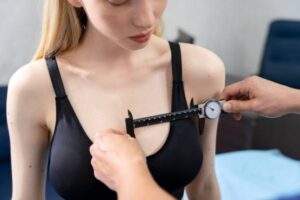
Patients considering Breast Augmentation in Bluffton, SC, can discuss recovery expectations with Sculpt Cosmetic Surgery as part of a personalized surgical consultation. Understanding the anticipated healing process before surgery can help you arrange transportation, time away from work, household assistance, and other practical needs. The practice emphasizes individualized treatment planning, with implant choices and surgical techniques selected according to each patient’s anatomy and aesthetic goals. Those researching local cosmetic surgery options can also explore sculpt-cosmeticsurgery.com for additional information and use their consultation to ask detailed questions about recovery, activity restrictions, and postoperative care.
When Will the Final Results Appear?
The final appearance after Breast Augmentation develops gradually rather than immediately. Early swelling and tightness can temporarily make the breasts look fuller, higher, or less natural than expected. As tissues relax and implants settle, the shape usually becomes more refined. Subtle changes may continue for several months as healing progresses and scars mature. Follow-up visits allow your surgeon to evaluate your results and confirm that recovery is proceeding normally. Maintaining realistic expectations and allowing sufficient healing time can help you appreciate the gradual transformation without becoming concerned about temporary changes.
During recovery, pay attention to your body and follow your surgeon’s instructions closely. Mild discomfort and swelling can be expected, but symptoms such as severe or worsening pain, significant redness, unusual drainage, fever, sudden swelling, or other concerning changes should be reported to your medical team promptly. Do not restart medications, strenuous exercise, or other activities without appropriate guidance. Good communication throughout recovery is essential for addressing concerns early. With proper postoperative care, patience, and professional follow-up, most patients can work toward comfortable healing and a satisfying long-term outcome.
